


To finish the week, we continue to explore the theme of young people’s rights this time through a piece by Ananya Awasthi, research assistant at the Centre for Human-AI Information Environments (CHAI) at RMIT University and Master of Public Policy graduate. In this blog, Ananya writes about crossover kids who are children involved in both the child protection and criminal justice systems and makes the case for greater communication lines and information sharing between these areas.
Read More
Continuing our theme on young people’s rights, Zaina Zulfiqar, Policy Advisor for FORE Good and recent Master of Public Policy (RMIT) graduate, argues for the need for Australian policy to uphold international students’ rights by ensuring that they are provided with appropriate support, protection and care.
Read More
Last week, we published a blog about how financial pressures are impacting the lives of young Australians. This plays out in various ways, one of which is by creating barriers for young people to accessing secure and affordable housing. Below Kylie Smith, Operations Manager of MCM Housing and Master of Public Policy graduate from RMIT, makes the case for Australia’s Housing First for Youth Policy, emphasising the importance of housing ‘rights’ over housing ‘readiness’.
Read More
Young Australians are resilient but financially stretched thin. This new report analysing 2,731 survey responses and 150 interviews from a nationally representative sample of Australians aged 18-24 from 2021–2025 shows how.
Read More
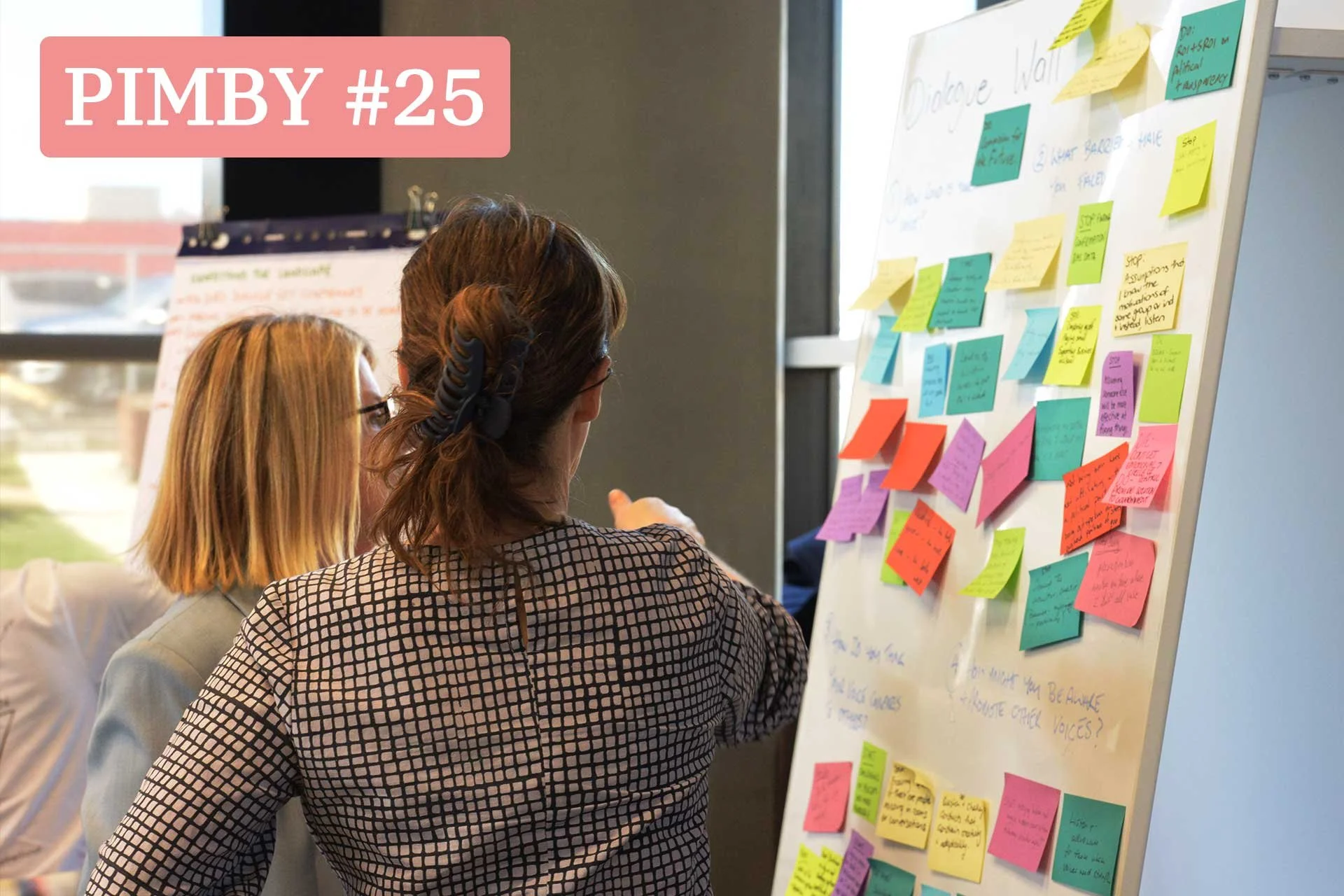
Good dialogue doesn't happen by chance. Drawing on insights from a Tasmanian Leaders workshop, Frieda Moran and Logan Linkston explore some of the principles, mechanisms, and leadership attributes that make good dialogue possible.
Read More
In the quest to improve outcomes for children, schools often bear the brunt of reform. However, the foundations of advantage and success are laid long before children enter a classroom. Informal learning experiences such as sport, arts activities, libraries, travel and participation in community life help build confidence, language, belonging and aspiration. Drawing on insights from practice and research, Sachie Yasuda argues that unequal access to these experiences creates a hidden dimension of inequality, and that policy must do more to support children and families to navigate unfamiliar spaces and opportunities.
Read More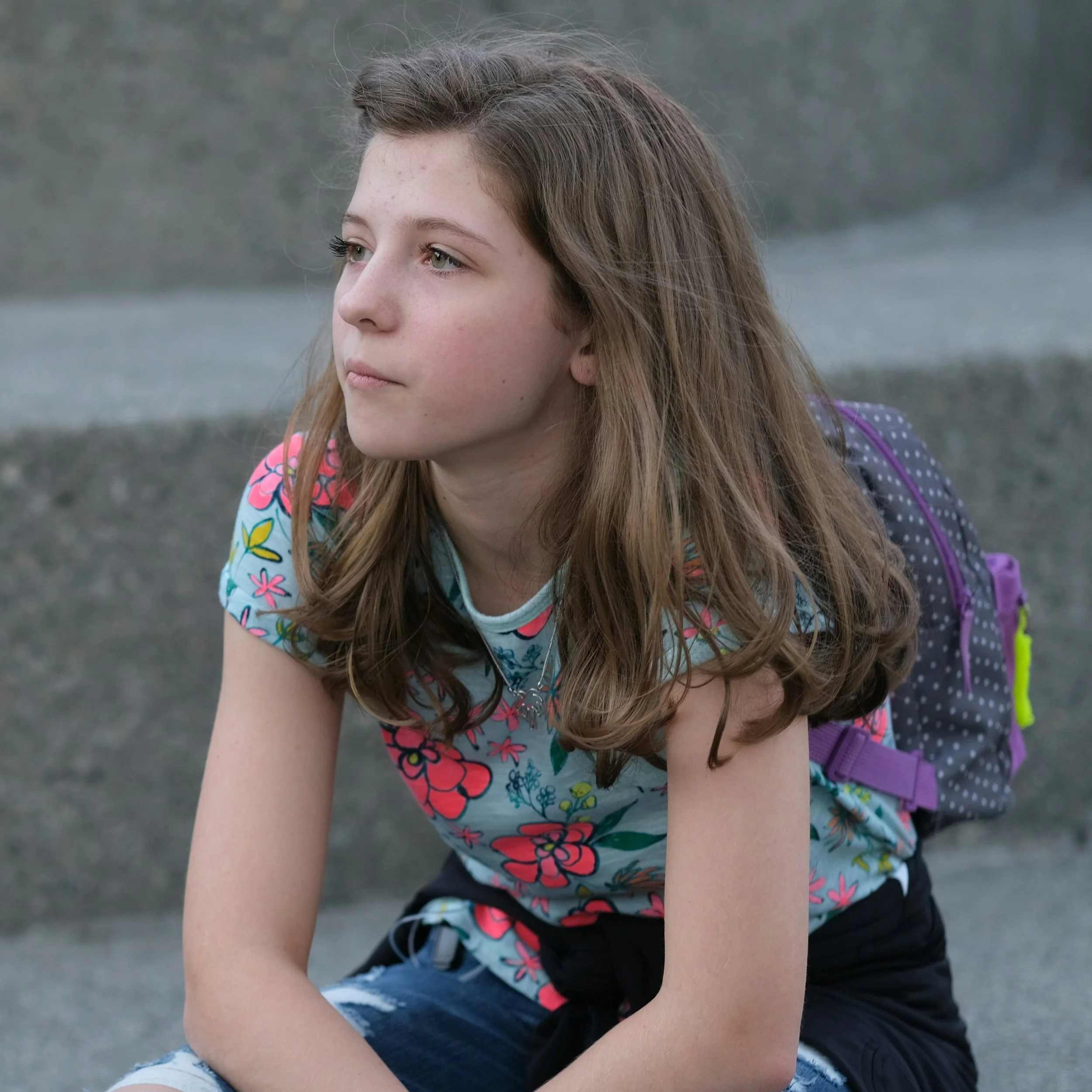
Evidence matters, but evidence that is inaccessible or difficult to apply will have little real-world impact. As financial education continues to gain prominence in schools and communities, questions are growing about how research can better inform practice. Tracey West argues that alongside investment in research, we need an evidence infrastructure that helps translate knowledge into effective practice.
Read More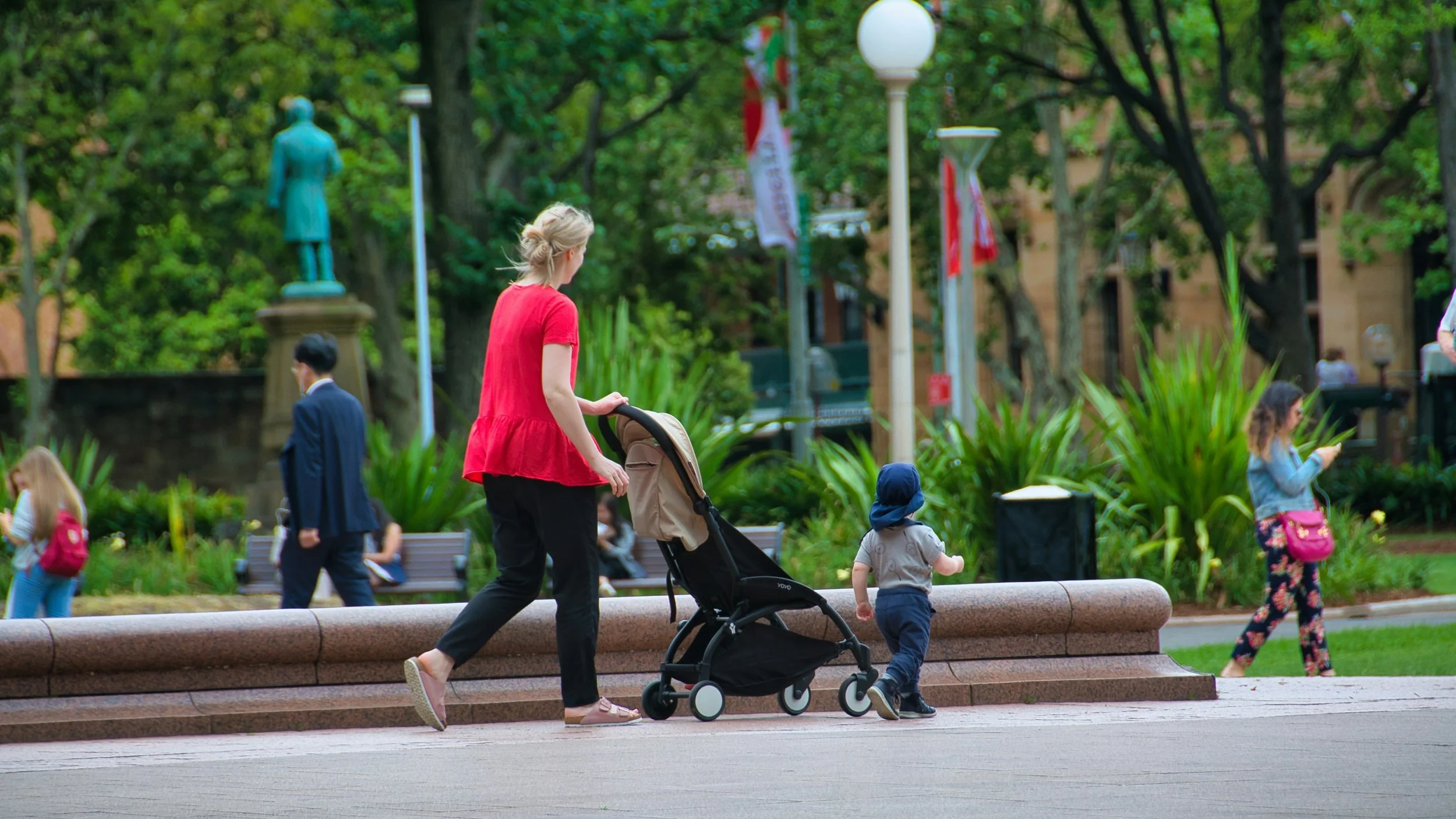
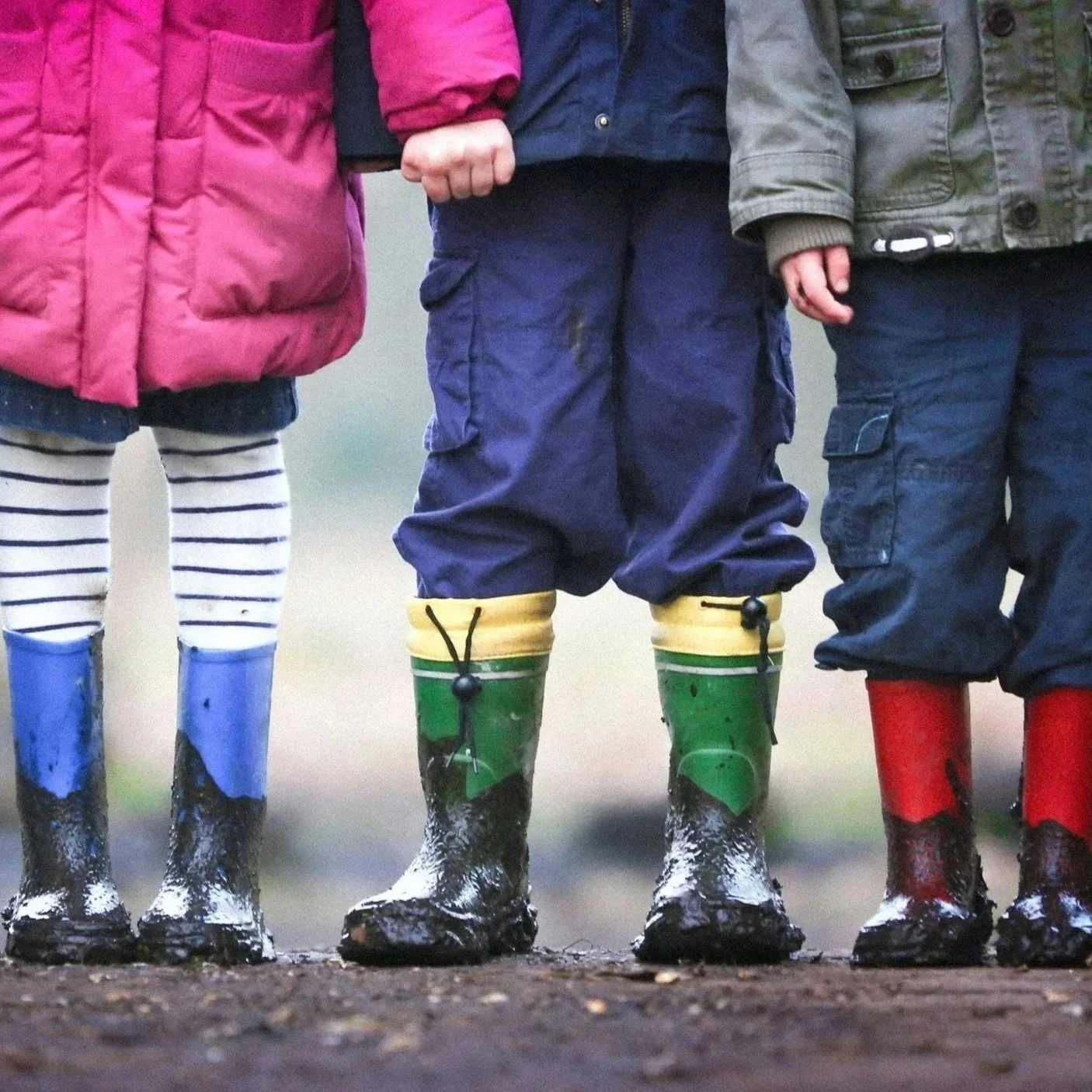
For several years, Australians have been talking about cost-of-living pressures. We have debated inflation, interest rates, housing costs, groceries and energy bills. But much less attention has been paid to the people least responsible for these pressures, and the least able to change their circumstances: children.
Read More
A landmark new research report launched last week, led by Honorary Professor Roslyn Russell, has found Australia needs a more coordinated and integrated national approach to financial wellbeing. The Good Shepherd Institute were fortunate to attend the launch and have already seen the report's insights inform our evaluation of a disaster recovery program submitted to the Queensland Government, demonstrating its immediate relevance to policy and practice. This post by co-author Dr Jozica Kutin highlights the need for systems to work together especially given the overlap with climate change, technology and health. This post was originally published by Ecstra Foundation, who funded the research, and is republished here with permission.
Read More
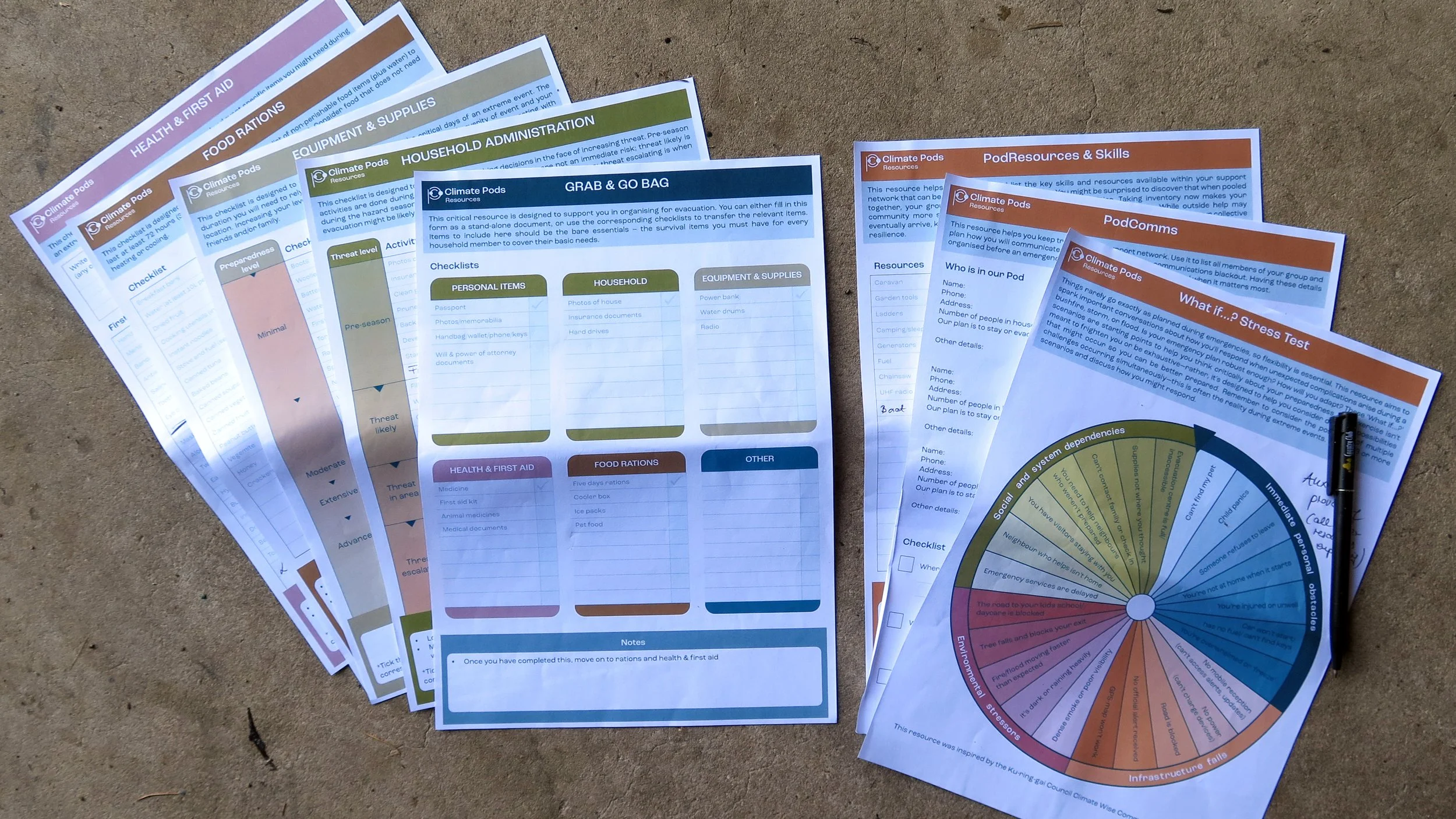
What if you could sit down over dinner with your mates and get a bit more prepared for the next fire or flood? Katie Moon, Sophie Yates and Elise Remling discuss their concept of ‘relational communities of place’ and how people can draw on existing social connections to improve their own disaster preparedness.
Read More


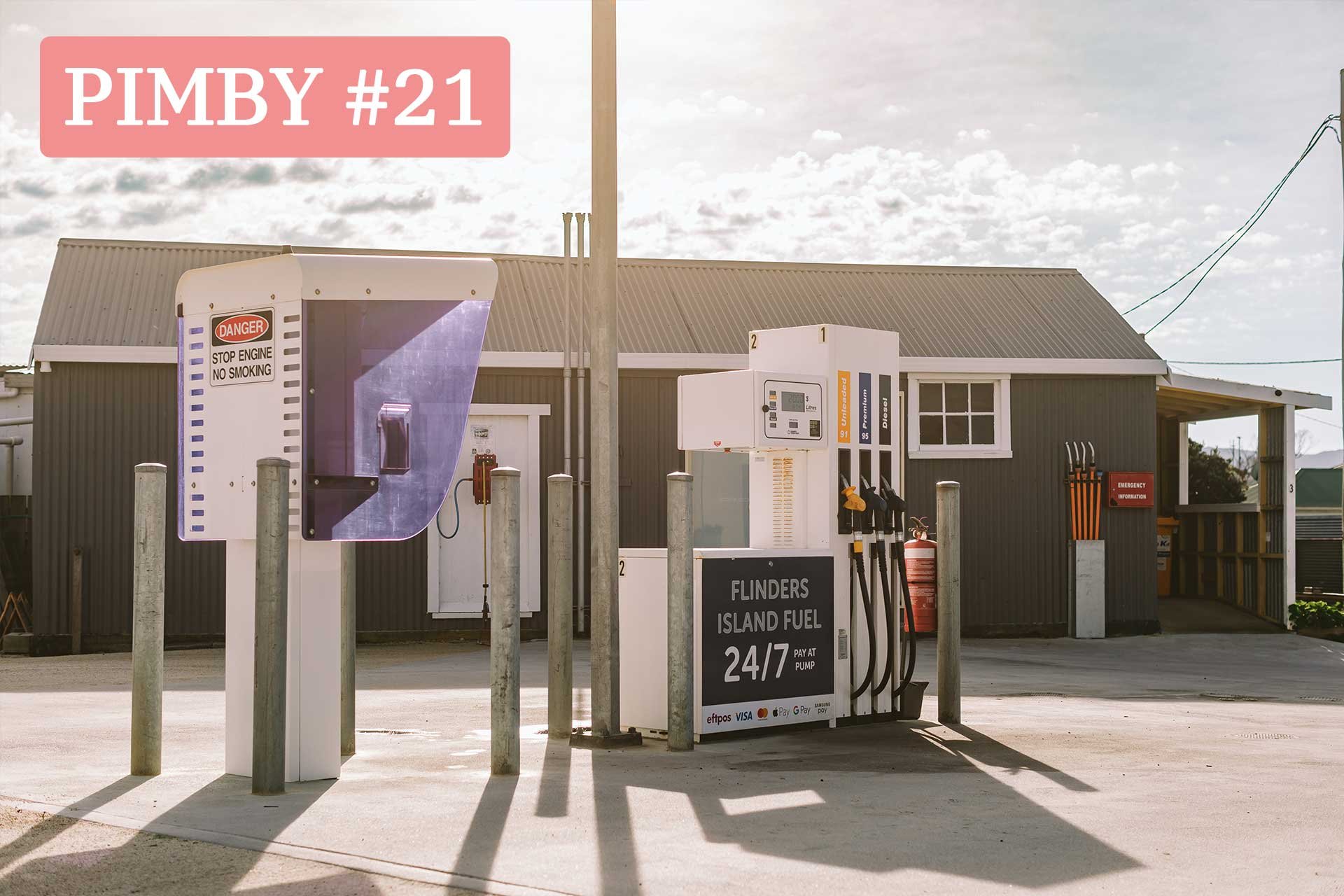
The Iran War has sparked a global fuel crisis, so we've decided to take a look at what this might mean for our island state. In the first post of a two-part series, we provide an overview of the impact that rising fuel prices are having on Tasmanian households and our economy.
Read More