




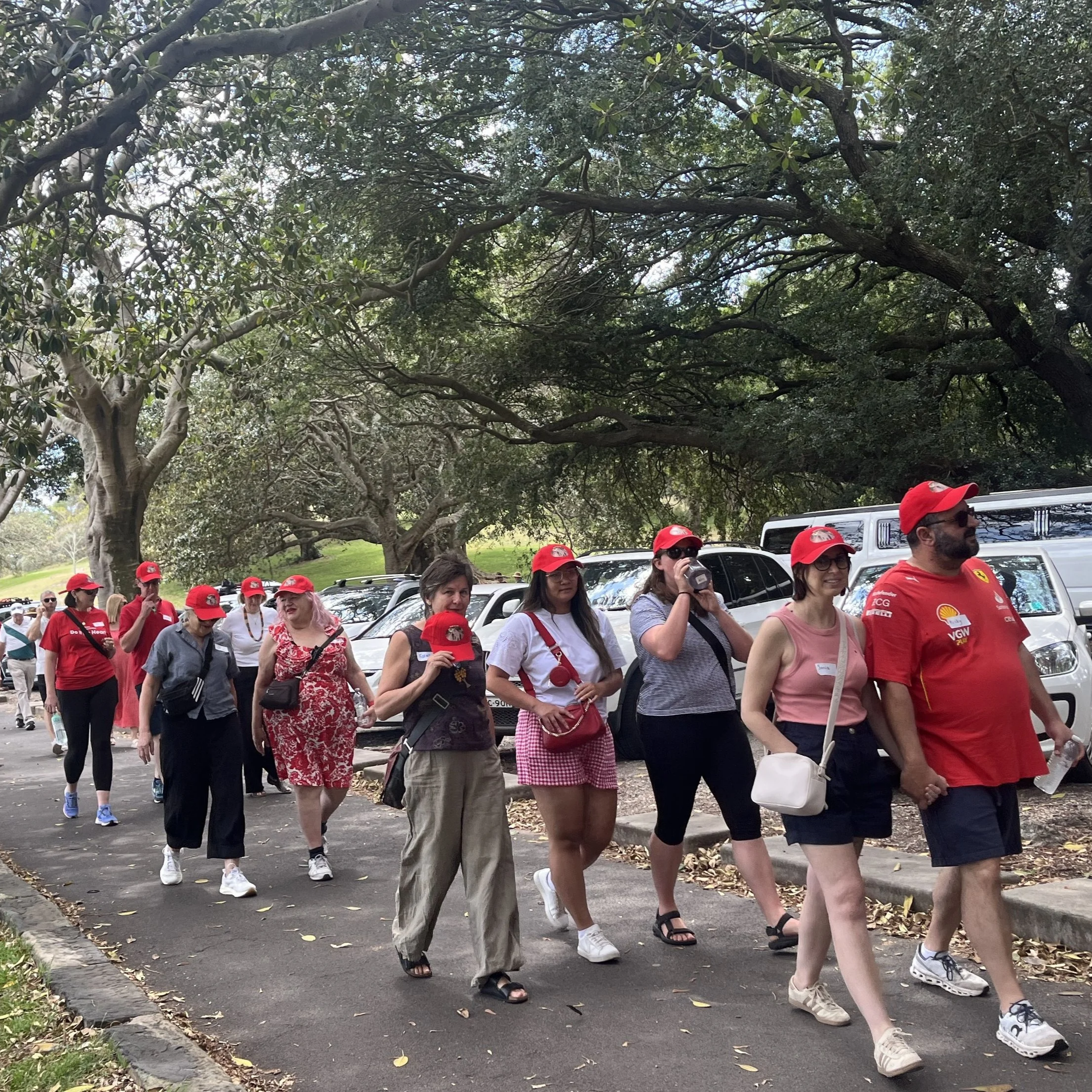
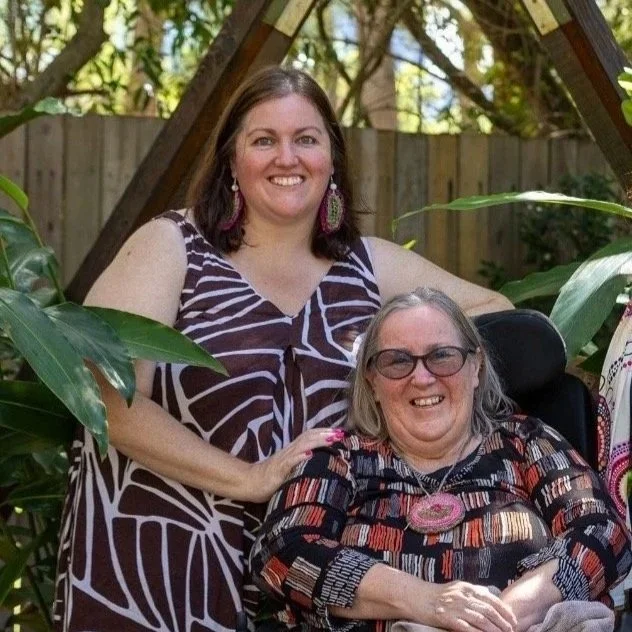

Across Australia and globally, disability policy increasingly promises to give people with disability a voice. Yet, as many people with disability can attest, having a voice is not the same as being heard. Recent research by Dr Laura Davy and Molly Saunders at the Australian National University explores radical listening as a potentially transformative approach to strengthening participatory democracy in everyday spaces.
Read More


In 2025, Power to Persuade has invited articles on the theme of the relevance of rights for 21st century policy. This post from Everyday Human Rights, an independent, non-political human rights educational consultancy, argues for the continued relevance of human rights frameworks as a tool for policy makers.
Read More
Temporary work should be a pathway to dignity and opportunity — not a source of risk. In this important piece, Ananya Doundiyal shows how visa settings, employer dependency, and weak enforcement create conditions where wage theft, coercion, and sexual harassment thrive — especially in feminised sectors like care, cleaning, hospitality, and horticulture.
Read More
In today’s post, Cordelia Attenborough and Elroy Dearn from RMIT University give insight into the history of public housing in Victoria. This blog is written in the context of the Inquiry into the redevelopment of Melbourne’s public housing towers
Read More


In complex healthcare systems, staff voice is vital for ensuring healthcare professionals and service providers uphold safe, ethical and high-quality care. When staff are unable to voice concerns about patient safety or their own wellbeing, mistakes and misconduct are more likely to go unaddressed, allowing scandals to happen or last longer. Organisations such as the National Health Service (NHS) have been long aware of these risks and currently use “speaking up” policies to combat the silencing or neglect of staff concerns. After 9 years of speaking up policy many NHS staff still find themselves unheard or silenced. Now, the U.K. government’s Department of Health and Social Care (DHSC), which oversees the NHS, proposes new plans to remove these existing policies and introduce new staff voice policy under the NHS Fit for the Future strategy (NHS England, 2025). In this blog post Sukhwinder Essie Kaur unpacks the failings of Speaking Up and explores how co-production research may be a key player in designing new policies and mechanism that better support NHS staff to voice their concerns.
Read More
The role played by the police in our wider mental health system has never been truly resolved. In both Australia and the United Kingdom, as across the world, discussion is at its most intense when considering police contact deaths involving those of us affected by our mental health. In this blog, Michael Brown explores the complex issues behind tragic outcomes and starts to think about how to embed “lessons learned” into policy.
Read More
Australians with disability and their families are well aware that living with disability can be very expensive – and yet our national poverty statistics and indicators do not take account of the hidden costs and earning barriers of being disabled in Australia. In their new article for a special issue of the Australian Economic Review, Sue Olney and Sophie Yates discuss the links between disability and poverty. They also explore why we need to think about using both monetary and non-monetary indicators (drawing on the knowledge of people with lived experience of both disability and poverty) to capture the full picture of inequality between people with and without disability in Australia.
Read More


Bernadette Black AM, CEO and Founder of SEED Futures, shares her deeply personal journey from teenage motherhood to national systems change advocate. Reflecting on the transformative impact of one woman’s care and belief in her, she makes a powerful case for reimagining the way Australia supports families in their earliest, most vulnerable days. With warmth and urgency, Black argues that kindness must not depend on chance—it must be built into the system. Through SEED Futures and the Incremental Reform Catalogue, she offers a clear, practical path to make that vision real.
Read More
This week's posts are being sourced and moderated by the Antipoverty Centre (@antipovertycent) to spark thinking and discussion about welfare conditionality ahead of the federal election. In today’s article, a young person describes the cruel bureaucracy people on JobSeeker and some other Centrelink payments must navigate under the regime of compulsory activities called “mutual” obligations. This byzantine compliance system is delivered by privatised job agencies at a cost of $4 billion per year and was recently revealed to be operating unlawfully. The author has asked to remain anonymous.
Read More