


In the quest to improve outcomes for children, schools often bear the brunt of reform. However, the foundations of advantage and success are laid long before children enter a classroom. Informal learning experiences such as sport, arts activities, libraries, travel and participation in community life help build confidence, language, belonging and aspiration. Drawing on insights from practice and research, Sachie Yasuda argues that unequal access to these experiences creates a hidden dimension of inequality, and that policy must do more to support children and families to navigate unfamiliar spaces and opportunities.
Read MoreEvidence matters, but evidence that is inaccessible or difficult to apply will have little real-world impact. As financial education continues to gain prominence in schools and communities, questions are growing about how research can better inform practice. Tracey West argues that alongside investment in research, we need an evidence infrastructure that helps translate knowledge into effective practice.
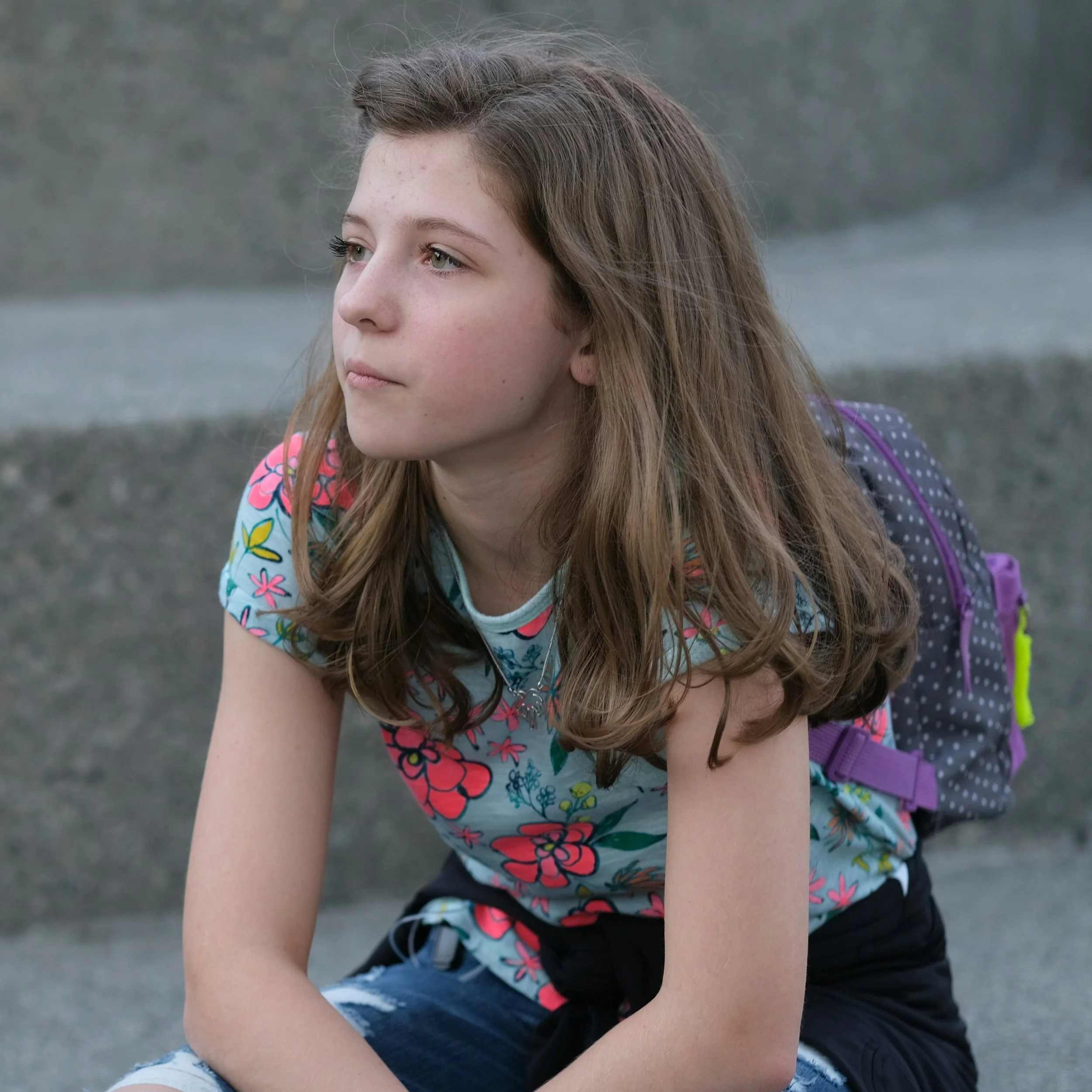
Read MoreIn a world where even after-school chess is expected to polish a child’s critical thinking résumé, the pressure to prove every moment's utility has reshaped how we talk about education. But what if children themselves have a different idea? This post by Megan Lang explores how Children’s University challenges narrow definitions of learning, and what happens when we start listening to children’s own accounts of joy, curiosity, and connection beyond the classroom.
Read More