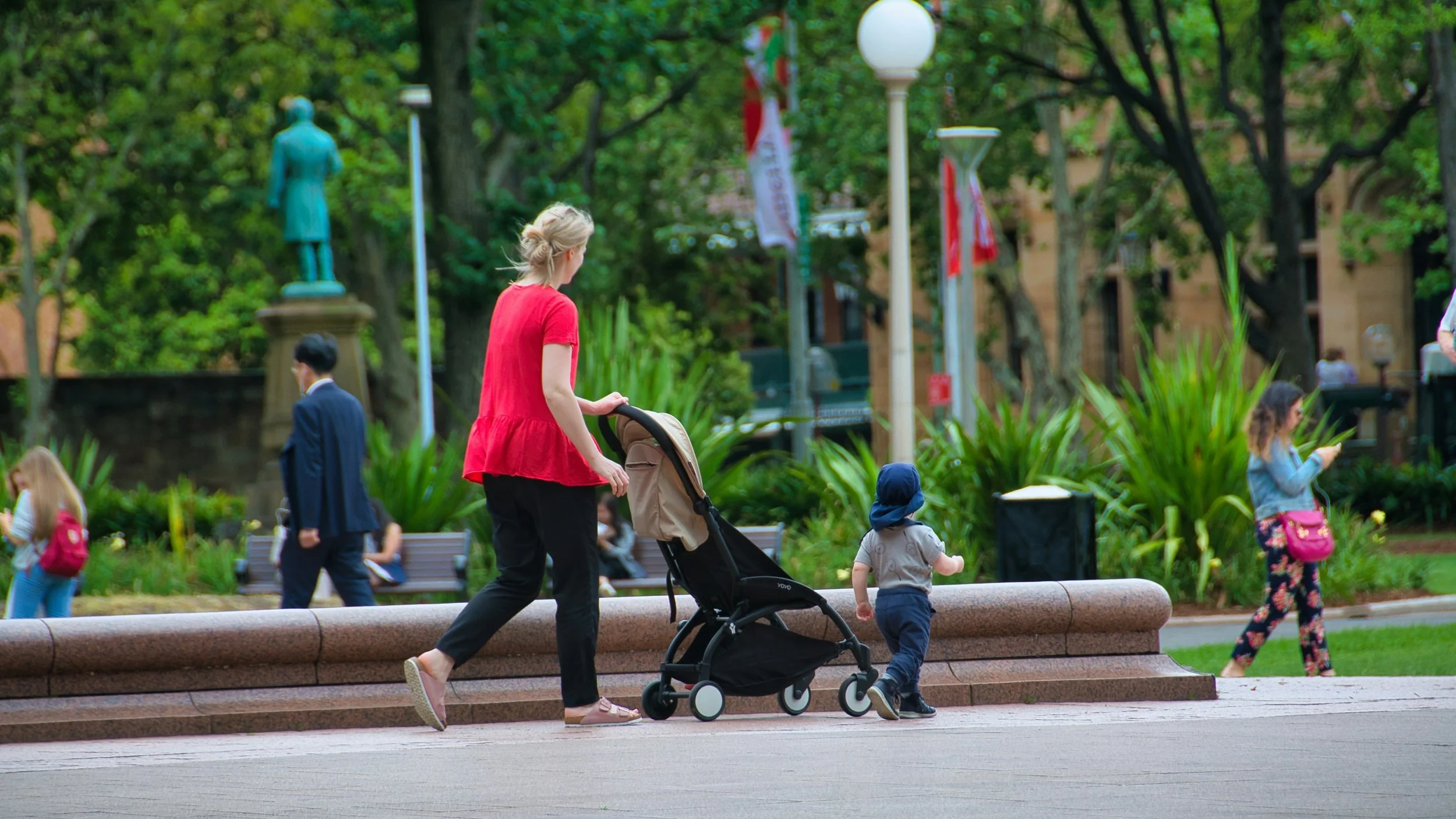

In the quest to improve outcomes for children, schools often bear the brunt of reform. However, the foundations of advantage and success are laid long before children enter a classroom. Informal learning experiences such as sport, arts activities, libraries, travel and participation in community life help build confidence, language, belonging and aspiration. Drawing on insights from practice and research, Sachie Yasuda argues that unequal access to these experiences creates a hidden dimension of inequality, and that policy must do more to support children and families to navigate unfamiliar spaces and opportunities.
Read MoreEvidence matters, but evidence that is inaccessible or difficult to apply will have little real-world impact. As financial education continues to gain prominence in schools and communities, questions are growing about how research can better inform practice. Tracey West argues that alongside investment in research, we need an evidence infrastructure that helps translate knowledge into effective practice.
Read MoreFor several years, Australians have been talking about cost-of-living pressures. We have debated inflation, interest rates, housing costs, groceries and energy bills. But much less attention has been paid to the people least responsible for these pressures, and the least able to change their circumstances: children.
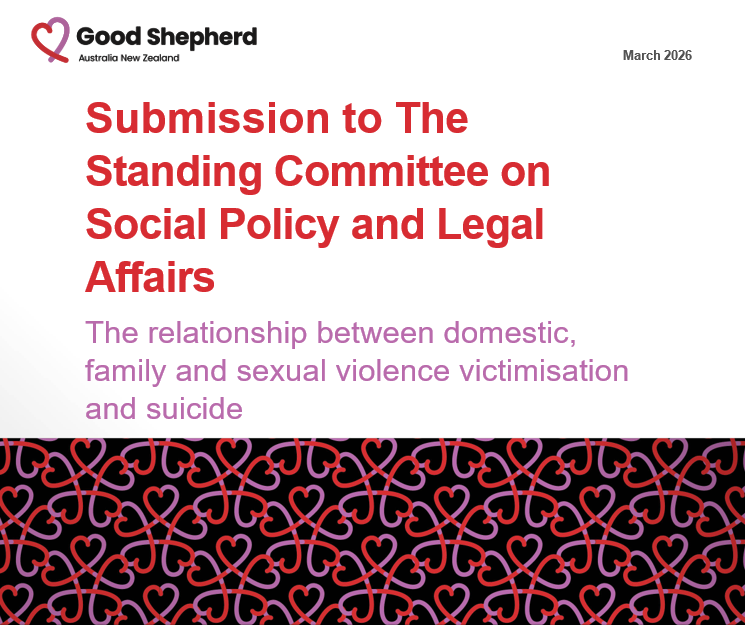
Read MoreDr. Jennifer Hester Principal Evaluator at Good Shepherd Australia and New Zealand (GSANZ) reports on developing a Submission to The Standing Committee on Social Policy and Legal Affairs, Parliament of Australia - The relationship between domestic, family and sexual violence victimisation and suicide.
Drawing on practitioner evidence and service system expertise, it emphasises the urgent need for improved data, integrated service responses, and long‑term recovery supports for women, children and young people.
Content note: this post and the submission discuss family, domestic and sexual violence and suicide, which some readers may find distressing.
Read More