
Genetic Testing Is Expanding. Our Psychosocial Support Systems Must Keep Up.
The Australian Parliament recently passed landmark legislation banning life insurers from using genetic test results in underwriting. This is a welcome development. But as more Australians access genetic testing, they will need systems to support them through what they discover. In today’s post, Dr Karen Gardner, Dr Jenny James and Dr Edmund Balnaves argue that Australia’s psychosocial support systems are not ready for what is coming.
Introduction
On 1 April 2026 the Australian Parliament passed landmark legislation banning life insurers from using genetic test results in underwriting — a reform almost a decade in the making. For families living with hereditary conditions, it is a moment worth celebrating.
But as the celebrations fade, an urgent question emerges.
For years, fear of discrimination — the concern that a positive result could affect access to life insurance — was the single greatest barrier to genetic testing in Australia. Last year the A‑GLIMMER review, led by Monash University researcher Dr Jane Tiller, confirmed that existing industry self‑regulation was failing consumers: insurers were non‑compliant, financial limits were too low, and fear was still deterring people from tests that could save their lives. The legislation that has now passed will change that. It is expected to trigger a significant upturn in testing across the population (Tiller et al. 2023; Australian Government Treasury 2024).
But policy must anticipate downstream effects. Expanding access to testing without strengthening the psychosocial infrastructure that supports people through what they discover risks widening inequities and leaving families to bear a profound burden alone.
Australia’s psychosocial support systems are not ready for this.
The scale of the challenge
For the rare disease community, this change is particularly transformative. Although individual rare diseases in Australia each affect fewer than one in 2,000 people, around 2 million Australians live with one and 80% are genetic in origin. Rapid developments in genomic medicine are also bringing genetic testing into everyday healthcare well beyond rare disease - into cancer risk, cardiac conditions, and reproductive medicine. For many Australians, expanded access to testing will bring welcome clarity: a diagnosis can guide preventative treatment, enable cascade testing for relatives and save lives.
But as testing expands, so too will the number of people living with uncertainty. Genetic testing does not always produce definitive answers. Results may identify a variant of uncertain significance (VUS), or no identifiable variant at all despite a strong clinical indication for testing. In such cases, families are left navigating what might be called “genetic limbo” - aware of potential risk, but without resolution.
This uncertainty carries a particular weight in the rare disease context. There are over 7,000 known rare disorders, meaning that even within a community defined by shared genetic vulnerability, each family’s experience can be profoundly isolating. Waiting times for diagnosis are long. Implications extend beyond the individual to siblings, children and parents. And the psychosocial burden of living with uncertainty - without a clear roadmap, without others who understand - can be debilitating.
Haphazard path to discovery
Sudden Cardiac Death (SCD) in the young illustrates the psychosocial stakes with particular clarity. In Australia, two to three people under age 35 die suddenly each week from a sudden cardiac death (National SCD Registers 2016–2023). In such cases, families are referred for specialist cardiac and genetic evaluation, often including cascade screening of first‑degree relatives. Post-mortem genetic testing is the essential bridge between an unexplained death and a rare disease diagnosis. However around 40 per cent of sudden deaths remain unexplained after standard post‑mortem investigation (Ingles et al. 2021), leaving families with a death they cannot account for.
One of the challenges facing families is navigating the pathways to first discovering that a genetic cause might be involved (Gardner, The Guardian 2019). This can be haphazard. A family may lose more than one member before a genetic explanation is raised, as was the case for Danielle Green, founder of The Coroner’s Project, and her family whose two young children both suffered cardiac arrests before a genetic cause was identified (Rare Voices Australia 2025). The suggestion of a genetic factor may come from a family contact, a health professional, a forensic pathology pathway or through a chance encounter. Peer support groups can help raise the profile of genetic causes, bridging families to the services they need.
The psychosocial burden
The clinical pathway for cardiac genetics is increasingly well established. International consensus guidelines (Stiles et al. 2020; 2021) now recommend multidisciplinary teams that integrate cardiologists, genetic counsellors and psychologists to provide clinical assessment, cascade testing, and evaluation by professionals trained in psychological care and grief counselling, as well as peer support.
Even when families do access high‑quality clinical care the psychosocial burden remains profound (Bates et al. 2019). Research (Ingles 2016) documents elevated rates of severe psychological distress among relatives following SCD, with distress persisting years after the event. Uncertainty amplifies fear of a death occurring again; the responsibility of telling siblings and children; the ambiguity of results that do not fully explain the death.
Psychological care is essential, but clinical environments are built for diagnosis and acute care rather than for the prolonged and uncertain aftermath of a death that may also carry inherited risk for surviving family members. Even trauma‑informed approaches that prioritise safety, collaboration and empowerment cannot offer the full ecology of support a family needs. Peer support fills this gap. The ways in which relatives reach out for help and comfort extend well beyond formal counselling services; into community groups, shared walks, online networks, and the quiet solidarity of others who have lived the same uncertainty.
Yet the pathway between formal clinical services and community supports is rarely clear or well‑connected. Families who would benefit from both often find they must navigate each world separately, at their most vulnerable. Strengthening the links between clinical care and peer‑led community initiatives is not an add‑on to good genomic care. It is part of it.
Barriers to accessing best practice care
The system is already stretched. The genetic counselling workforce cannot meet current demand, with wait times exceeding one year at many services (Barlow‑Stewart et al. 2024). While genetic counsellors provide vital guidance, they are not a substitute for specialist psychological care. The broader mental health system offers little relief: the Australian Psychological Society reports that Australia meets only 35% of its psychology workforce target, and one in three psychologists has closed their books to new patients due to overwhelming demand (APS 2025; National Mental Health Workforce Strategy 2022–2032). For families navigating the genetic limbo of an unexplained death, the absence of embedded psychological support within genomic clinics means they are often left to manage a system at their most vulnerable (van den Heuvel et al. 2024).
The support families need extends beyond what any clinical encounter can provide: the shared resonance of others who have lived the same uncertainty, the practical wisdom of those who have navigated the same system, and the sustained community that clinical settings are not built to offer. This is precisely why peer support cannot remain an afterthought. Research indicates it significantly reduces the social stigma and isolation that drive profound grief (Bartone et al. 2019).
The four pillars of peer support in the genomic context
By anchoring families in a collective experience, peer‑led initiatives operate through four key pillars (House 1981).
Emotional Support: While therapy validates the individual, peer groups provide shared resonance. Research with families affected by young sudden cardiac death found that dedicated community and peer support offers a place of safety, fosters sense-making, and facilitates the finding of new meaning (Steffen et al. 2020). Peer environments honour lives lived, providing an experiential credibility that helps families process loss within a supportive community. Literature on continuing bonds suggests that healthy adaptation involves maintaining a connection to the deceased — something peer environments, with their shared culture of remembrance, facilitate more naturally than clinical settings (Klass et al. 1996).
Appraisal Support: Genetic risk often triggers a crisis of identity. Peers offer a “social mirror” that helps individuals calibrate their reactions against those who have lived through similar uncertainty. Peers are able to recognise and acknowledge the many instances of difficulties that were handled with strength and courage.
Informational Support: While genetic counsellors provide essential clinical expertise, peers offer a different kind of knowledge: the practical, lived wisdom of navigating a diagnosis; how to manage cascade testing or discuss inherited risk with reluctant relatives; and translate medical data into daily life. This peer‑led knowledge often bridges the gap between clinical information and lived experience and helps families make sense of a loss that may also be a warning for those left behind (Ingles & James 2017; McDonald et al. 2020).
Instrumental Support: Community‑led initiatives provide structured opportunities for physical gathering - routine, presence, and shared experience that offset the isolation of the clinical “test‑and‑treat” cycle.
Promising Australian models in the context of Sudden Cardiac Death
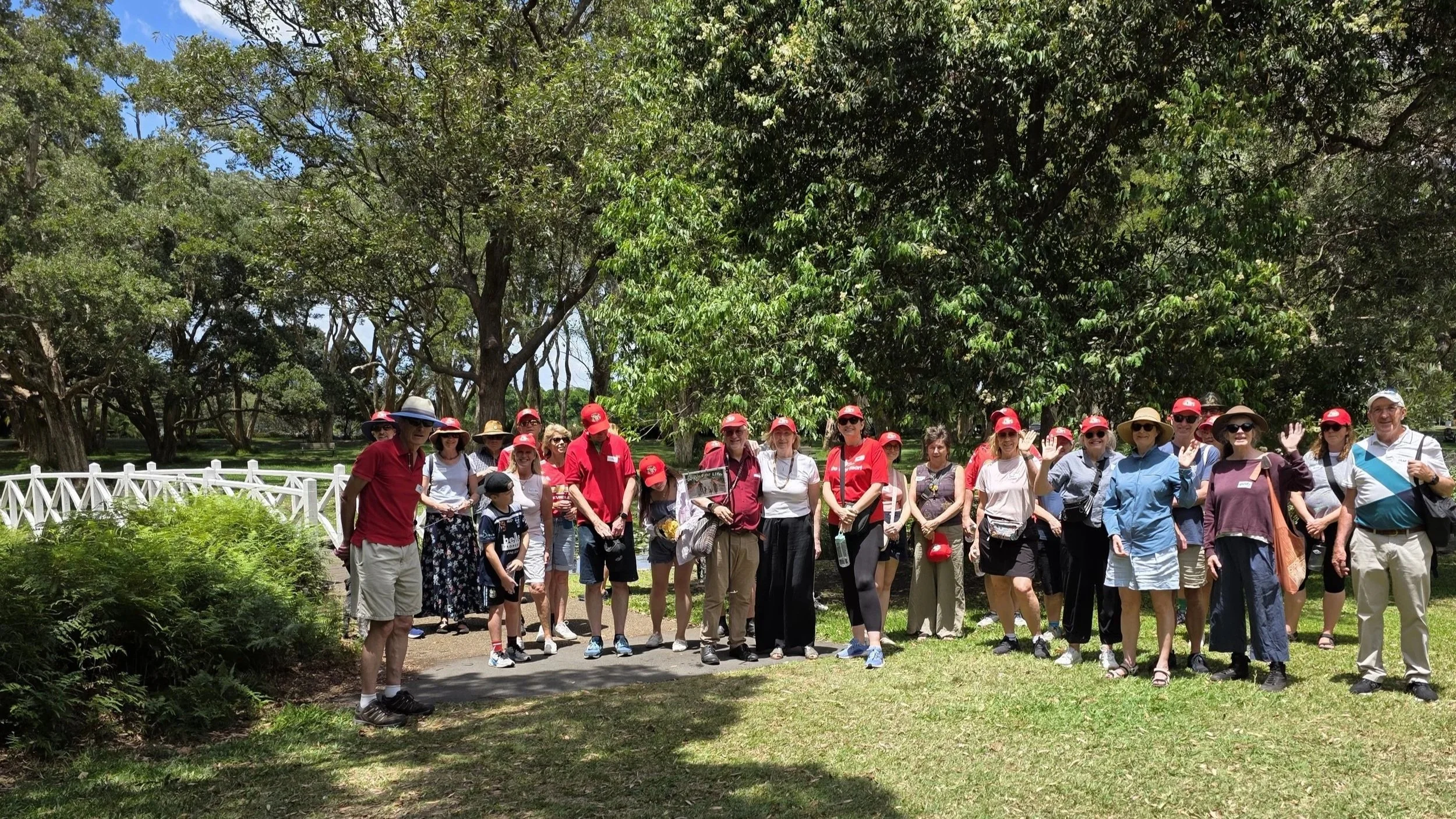
In Australia, promising models are emerging. The community‑driven initiative Walk for Life Sydney has been providing community‑based gatherings for families affected by SCD - informal connection, quiet solidarity and community recognition - since 2022. Walk for Life Melbourne, based on similar principles, will hold its inaugural event in 2026.
COPE-SCD (Community Support Following Sudden Cardiac Death) is a clinician‑led initiative offering structured online sessions facilitated by genetic counsellors, cardiologists and psychologists. Developed through co‑design with bereaved families, it combines grief education, medical information and peer connection (COPE‑SCD 2025; Yeates et al. 2023).
Organisations such as The Compassionate Friends offer peer support to parents, siblings and grandparents after the tragic loss of a child. Originating in the USA, it has evolved in Australia to encompass many local groups. It welcomes families who have lost loved ones from all causes and is inclusive to families who have suffered losses from genetic diseases.
A policy gap
As genetic testing becomes more accessible in the wake of life‑insurance reform, demand for genomic services will increase. With greater uptake comes greater exposure to uncertain findings. AI tools will extend the reach of post-mortem genetic investigation and rare disease identification so the population living in genetic limbo will not shrink but may well transform. Families currently living with no answer may receive answers that open new questions. Families who thought they were grieving a cardiac death may discover they are looking at a multisystem genetic syndrome with implications nobody anticipated. The psychosocial support infrastructure must be built not just for the current population but for the larger and more complex population that accelerating genomic medicine will produce.
International consensus guidelines already recommend that families affected by sudden cardiac death receive the full suite of services: cardiac evaluation, genetic counselling, psychological care, and peer support as an integrated whole. International models, including the SADS Foundation (USA) and Cardiac Risk in the Young (UK), show that when peer support is formalised alongside clinical care, families report improved wellbeing and reduced isolation (Steffen et al. 2020; Stiles et al. 2020). Australia has the evidence and the models: what is needed now is the infrastructure to deliver them at scale. The Australian Government, Primary Health Networks, and state health departments each have a role to play in:
Funding structured peer‑led programs including hybrid online/in‑person delivery models for regional equity
Supporting formal partnerships between clinical services and consumer‑led organisations
Embedding referral pathways to peer networks within clinical practice
Conclusion
Genomic medicine promises earlier diagnosis and prevention. To fulfil that promise, it must also invest in the human systems that allow families to live with what they discover. Peer support is a stabilising force that honours lived experience and ensures that as we unlock the secrets of our DNA, no family should have to navigate the aftermath in isolation.
Removing financial barriers to genetic testing is a landmark reform. But the work does not end there. The legislation that passed on April 1 is the beginning of a longer obligation.
REFERENCES
Australian Government Department of Health, Disability and Ageing. (2022). About Rare Diseases. https://www.health.gov.au/topics/chronic-conditions/what-were-doing-about-chronic-conditions/what-were-doing-about-rare-diseases
Australian Government Treasury. (2024). Total ban on use of adverse genetic testing results in life insurance.
Australian Psychological Society. (2025). APS urges reforms to future-proof psychology workforce. https://psychology.org.au
Barlow‑Stewart, K., et al. (2024). Genomic counselling workforce and wait times. Genetics in Medicine Open. https://gimopen.org/article/S2949-7744(24)00994-4/fulltext
Bartone, P. T., Bartone, J. V., Violanti, J. M., & Gileno, Z. M. (2019). Peer support services for bereaved survivors: A systematic review. OMEGA – Journal of Death and Dying, 80(1), 1–23. https://doi.org/10.1177/0030222817728204
Bates, K., Sweeting, J., Yeates, L., McDonald, K., Semsarian, C., & Ingles, J. (2019). Psychological adaptation to molecular autopsy findings following sudden cardiac death in the young. Genetics in Medicine, 21(6), 1330–1338. https://doi.org/10.1038/s41436-018-0338-4
Compassionate Friends NSW. (n.d.). The Compassionate Friends NSW. https://www.thecompassionatefriendsnsw.org.au
COPE‑SCD. (2025). Online community supporting families after SCD. https://copescd.org.au
Gardner, K. It took more than a decade to explain the sudden death of my precious teenage son. The Guardian, Feb. 2019.
House, J. S. (1981). Work Stress and Social Support. Addison‑Wesley.
Ingles, J., Spinks, C., Yeates, L., McGeechan, K., Kasparian, N., & Semsarian, C. (2016). Posttraumatic stress and prolonged grief after the sudden cardiac death of a young relative. JAMA Internal Medicine, 176(3), 402–405. https://doi.org/10.1001/jamainternmed.2015.7808
Ingles, J., & James, C. (2017). Psychosocial care and cardiac genetic counseling following sudden cardiac death in the young. Progress in Pediatric Cardiology, 45, 31–36. https://doi.org/10.1016/j.ppedcard.2017.03.001
Ingles, J., et al. (2021). Sudden cardiac death in the young: Case investigation and family management. JACC, 77(9).
Klass, D., Silverman, P., & Nickman, S. (1996). Continuing Bonds: New Understandings of Grief. Taylor & Francis.
McDonald, K., Sharpe, L., Yeates, L., Semsarian, C., & Ingles, J. (2020). Needs analysis of parents following sudden cardiac death in the young. Open Heart, 7(2), e001120. https://doi.org/10.1136/openhrt-2019-001120
National Mental Health Workforce Strategy 2022–2032. Australian Government Department of Health. https://www.health.gov.au/sites/default/files/2023-10/national-mental-health-workforce-strategy-2022-2032.pdf
National SCD Registers. (2016–2023). National Sudden Cardiac Death Data Collection.
Rare Voices Australia. (2025). Danielle’s story. https://rarevoices.org.au/personal-story/danielles-story-2/
SADS Foundation. (2024). Sudden Arrhythmia Death Syndromes Foundation. https://www.sads.org
Steffen, E. M., Timotijevic, L., & Coyle, A. (2020). A qualitative analysis of psychosocial needs and support impacts in families affected by young sudden cardiac death: The role of community and peer support. European Journal of Cardiovascular Nursing, 20(1), 72–80. https://doi.org/10.1177/1474515120922347
Stiles, M. K., Wilde, A. A., et al. (2020). APHRS/HRS expert consensus statement on the investigation of decedents with sudden unexplained death and patients with sudden cardiac arrest, and their families. Heart Rhythm, 18(1), e1–e50.
Stiles, M. K., Wilde, A. A. M., et al. (2021). APHRS/HRS expert consensus statement on investigation of sudden unexplained death and sudden cardiac arrest. Journal of Arrhythmia, 37(3), 481–534. https://doi.org/10.1002/joa3.12449
Tiller, J., Gleeson, P., McInerney-Leo, A. M., Keogh, L., Nowak, K., Barlow-Stewart, K., Boughtwood, T., Delatycki, M. B., Winship, I., Otlowski, M., & Lacaze, P. (2023). Final Stakeholder Report of the Australian Genetics and Life Insurance Moratorium: Monitoring the Effectiveness and Response (A-GLIMMER) Project. Monash University. https://doi.org/10.26180/23564538
van den Heuvel, L., Do, J., Yeates, L., Burns, C., Semsarian, C., & Ingles, J. (2024). Experiences of family members with cardiogenetic evaluation after sudden cardiac death. Journal of Genetic Counseling, 33(2), 361–369.
Walk for Life Melbourne. (2026). Walk for Life Melbourne. https://walkforlife.melbourne/
Walk for Life Sydney. (2026). Community Support Initiative. https://walkforlife.sydney/
Yeates, L., et al. (2023). Development and evaluation of a support intervention for families after sudden cardiac death. Heart, Lung and Circulation, 33, S120.
AUTHOR BIOS AND DISCLOSURE STATEMENTS
Author 1: Dr Karen Gardner
Dr Karen Gardner is a writer, health services researcher and Visiting Fellow at the Australian National University (ANU). She has co-authored academic publications on peer support for families following sudden cardiac death and served as the consumer representative on the 2020 international expert consensus statement for investigating sudden cardiac death. She does not stand to benefit financially from the reforms discussed in this article and has no relevant conflicts of interest.
Author 2: Dr Jenny James
Dr James is a General Practitioner and the co-founder of Walk for Life Sydney, a community initiative for families affected by sudden cardiac death. She has a Masters degree in Psychological Medicine and is a conjoint lecturer at the University of Western Sydney. She does not work for, consult, own shares in or receive funding from any company or organisation that would benefit from this article and has declared no relevant affiliations beyond her community leadership and clinical practice.
Author 3: Dr Edmund Balnaves
Dr Balnaves is the CEO of Prosentient Systems and the co-founder of Walk for Life Sydney. He has extensive experience in online services and library systems. He does not stand to benefit financially from the reforms discussed in this article and has no relevant conflicts of interest.
Content moderator: Sue Olney